The Ultimate Guide to Proper PPE Waste Disposal
In a world still deeply affected by concerns over infectious diseases and public health, the proper disposal of Personal Protective Equipment (PPE) has become an essential component of healthcare, industrial safety, and daily life. From single-use masks and gloves to reusable face shields and gowns, PPE waste poses significant environmental and health risks if not handled appropriately. If you are looking for reliable, comprehensive information on PPE waste disposal, you're in the right place. This ultimate guide will walk you through best practices, regulatory guidelines, environmental considerations, and practical steps for safe, sustainable disposal of all types of PPE.
Why Proper PPE Waste Disposal Matters
The COVID-19 pandemic underscored the vital role of PPE in protecting professionals and the general public. The surge in PPE usage, however, led to an unprecedented increase in PPE waste. Improper disposal of PPE can:
- Spread infectious diseases through contaminated materials
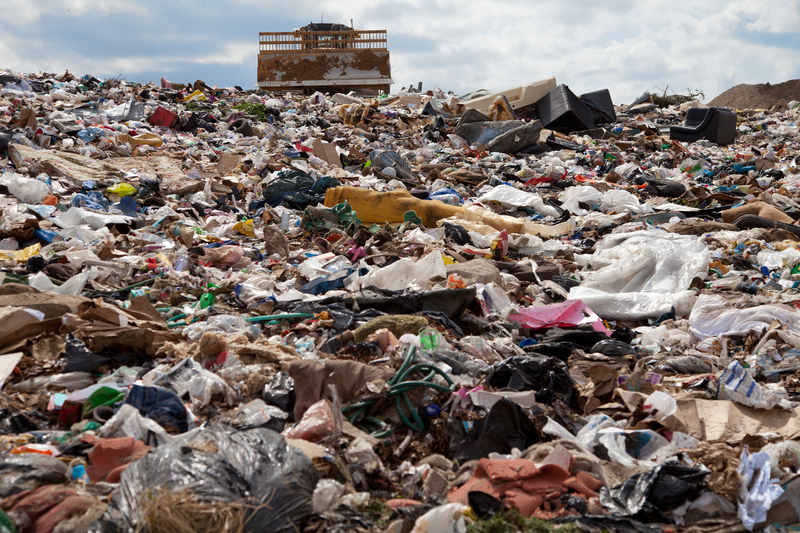
- Increase the risk of pollution in landfills, rivers, and oceans
- Threaten wildlife who may mistake discarded PPE for food or become entangled
- Violate environmental regulations and community health standards
Understanding the different types of PPE waste and following correct PPE waste management procedures is not just recommended--it's a responsibility every organization and individual must fulfill.
Types of PPE and Associated Waste
Personal Protective Equipment comes in many forms:
- Face masks (surgical, N95, cloth)
- Gloves (latex, nitrile, vinyl)
- Face shields and goggles
- Gowns and aprons
- Shoe and head covers
- Respirators
Each type of PPE becomes waste after its intended use. Knowing whether it's considered hazardous or general waste depends on the usage context. For instance, masks worn by non-infected people in public areas may be general waste, but PPE used in a clinical setting is considered biohazardous waste.
PPE Waste: Hazardous vs. Non-Hazardous
Hazardous PPE Waste
- Used by healthcare workers in contact with infectious patients
- Contaminated with bodily fluids or chemicals
- Disposed of in hospitals, clinics, or labs
Hazardous PPE must be segregated and handled according to medical waste disposal protocols to prevent disease transmission and environmental damage.
Non-Hazardous PPE Waste
- General public-used masks, gloves, and face shields
- PPE not visibly contaminated
Most non-hazardous PPE can be disposed of in regular trash, but should still be handled mindfully to prevent litter and secondary contamination.
Regulations and Standards for PPE Waste Disposal
Different countries and regions maintain their own legal requirements for PPE disposal. Some universally recognized standards include:
- The World Health Organization (WHO) guidelines for healthcare waste
- The Centers for Disease Control and Prevention (CDC) regulations
- OSHA standards on PPE and hazardous waste management
- EPA rules on solid and medical waste
It's critical for organizations, medical facilities, and businesses to stay current with local, state, and national laws on PPE waste. Non-compliance can result in substantial fines and endanger public health.
Best Practices for PPE Waste Disposal
Proper PPE waste management involves the adoption of standardized procedures for collecting, segregating, storing, transporting, and ultimately disposing of PPE. Here's a step-by-step guide:
1. Segregate PPE Waste at the Source
- Use color-coded bins for hazardous and non-hazardous PPE waste (e.g., red/yellow for biohazardous, black/blue for general waste).
- Label bins clearly with PPE waste signs.
- Ensure bins have lids to minimize airborne contamination.
2. Safe Collection and Handling
- Once used, place PPE directly into the appropriate bin; do not leave it lying around.
- Handlers should wear gloves and avoid overfilling bins.
- Disinfect bins regularly to prevent secondary contamination.
3. Temporary Storage
- Store hazardous PPE waste in a separate, marked area away from regular trash.
- Ensure storage areas are secure, dry, and inaccessible to the public or wildlife.
4. Transport and Treatment
- Engage licensed medical waste disposal companies for hazardous PPE.
- For non-hazardous PPE waste, follow your municipality's collection schedule.
- Healthcare facilities should document and track PPE waste transport for compliance.
5. Final Disposal Methods
- Incineration: Common for hazardous medical waste as it destroys pathogens.
- Autoclaving: Disinfects PPE waste using high-pressure steam before landfill disposal.
- Landfill: For non-hazardous PPE, though should be minimized to reduce environmental impact.
- Recycling: Limited to special programs (see below).
Can PPE Waste Be Recycled?
Recycling PPE waste is challenging due to potential contamination and mixed material composition (fabrics, plastics, metals). However, some innovative solutions are emerging:
- Specialized recycling programs accept used masks, gloves, and gowns and convert them into plastic pellets or construction materials.
- Some manufacturers design reusable and recyclable PPE to decrease single-use waste.
- Cloth masks and other non-contaminated PPE can often be washed and reused, reducing waste output.
Check with your local recycling facilities and manufacturers for up-to-date PPE recycling programs. Do not place contaminated PPE with household recyclables to avoid contaminating the recycling stream.
Environmental Impact of Improper PPE Waste Disposal
PPE litter, especially single-use synthetic materials, poses a lasting threat to the environment. Discarded face masks and gloves:
- Take hundreds of years to degrade in landfills
- Break down into dangerous microplastics that enter the food chain
- Harm marine life and birds through entanglement and ingestion
Proper PPE waste disposal dramatically reduces these risks and supports global sustainability goals.
Tips for Reducing PPE Waste at the Source
Prevention is always better than cure. Here are smart strategies to reduce your PPE waste footprint:
- Opt for reusable PPE when safe and applicable (e.g., washable cloth masks).
- Only use PPE when necessary to avoid overconsumption.
- Encourage training and awareness about responsible PPE use and disposal among staff and the public.
- Partner with PPE recycling programs or green PPE manufacturers.
Frequently Asked Questions (FAQs) on PPE Waste Disposal
Can I throw PPE waste in the regular trash?
For non-hazardous, non-contaminated PPE, disposing of it in sealed bags with regular trash is generally acceptable. Do not flush PPE down the toilet or leave it unbagged! It can cause sewer blockages and pollution.
What do hospitals do with used PPE?
Hospitals collect, segregate, sterilize (if necessary), and incinerate hazardous PPE waste. Specialized waste handlers strictly follow health regulations to keep communities safe.
Is it safe to recycle used face masks and gloves?
Only if a specialized PPE recycling program exists in your area. Never put used PPE in the regular recycling bin.
How should businesses handle large volumes of PPE waste?
Businesses should set up dedicated PPE waste disposal systems, regularly service bins, and work with certified hazardous and general waste disposal providers.

Quick PPE Waste Disposal Checklist
- Always remove PPE carefully, avoiding contact with the face
- Seal used PPE in appropriate bags or containers
- Dispose of PPE in marked bins
- Wash hands thoroughly after handling disposable PPE
- Follow local regulations for hazardous and general waste
Towards a Safer & Cleaner Future
The surge in PPE waste is an ongoing challenge for communities worldwide. However, with strict adherence to PPE waste disposal guidelines and greater public awareness, we can protect public health and preserve the environment.
As global standards evolve and technologies improve, expect more efficient and eco-friendly solutions for PPE waste management. Meanwhile, every effort--from proper segregation at home to compliance in hospitals and businesses--contributes to the collective fight against pollution and disease.
If you're seeking more information on PPE waste, best practices, or innovative solutions, bookmark this guide for regular updates. Let's all commit to safer, greener communities by mastering PPE waste disposal!